Retro Cool Dads Club Machine Embroidery
A Practical Review for Small Business Merchandise & Branded Patches
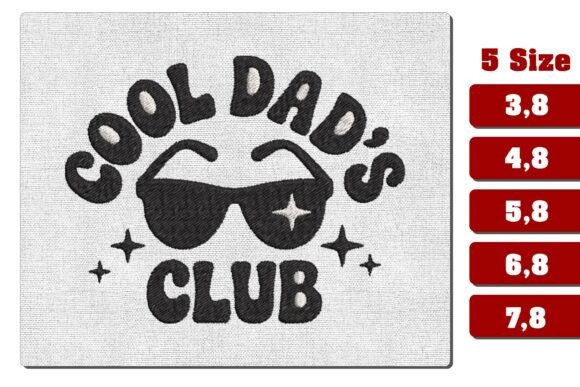
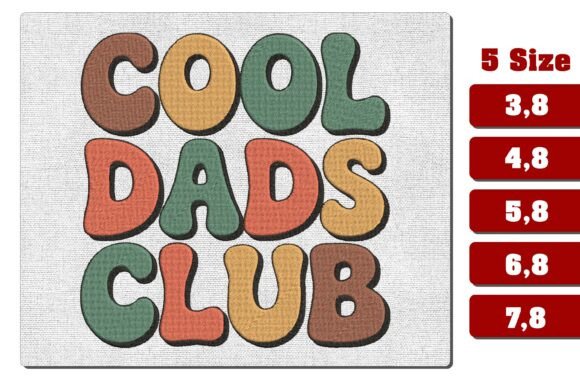
As an embroidery designer who’s developed and tested hundreds of machine embroidery designs for small businesses—from neighborhood bakeries to indie pet brands—I approached Retro Cool Dads Club Machine Embroidery with a dual lens: creative appeal and commercial viability. The title alone signals a confident, nostalgic tone—think vintage typography meets modern dad energy. It’s not just decorative; it’s a brand-ready statement. For small business owners, Etsy sellers, and apparel decorators, this design lands as friendly, bold, and intentionally playful—ideal for shops leaning into authenticity, humor, and community-driven branding.
Real-World Use Across Business Touchpoints
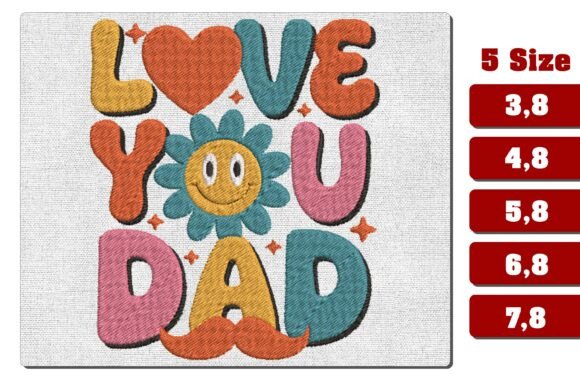
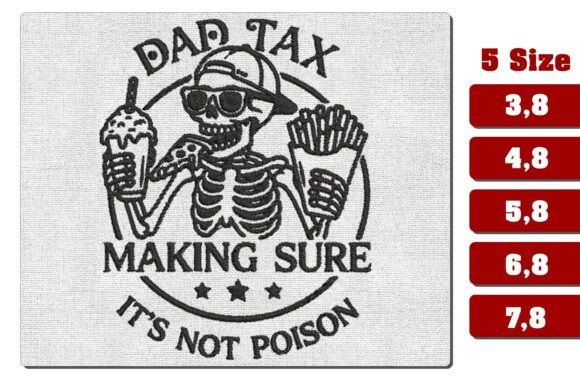
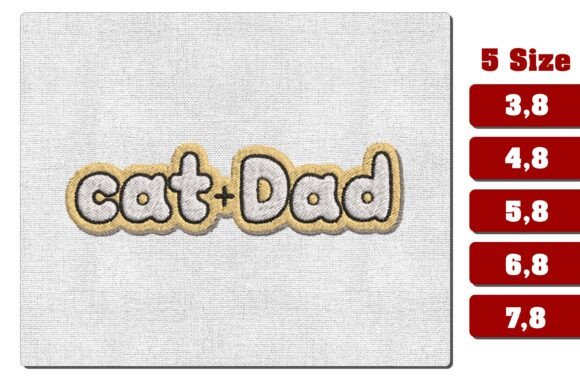
This machine embroidery design shines where personality meets practicality. On staff aprons at a craft coffee roastery? Yes—it adds warmth without sacrificing polish. As an embroidered patch on tote bags handed out during Father’s Day pop-ups? Absolutely. Its scalable sizing (3.8 in to 7.8 in) makes Retro Cool Dads Club Machine Embroidery unusually flexible for commercial embroidery projects. At 4.8 in, it reads cleanly on the chest of a unisex work shirt. At 5.8 in, it anchors beautifully on the back of a denim jacket or boutique merchandise bag. And at 3.8 in, it holds up well as a sew-on or iron-on patch for product packaging accents or handmade product tags.
I’ve seen local florists use similar retro-themed embroidery files on canvas aprons for weekend markets—customers consistently comment on the charm and approachability. A pet brand could pair this design with paw-print motifs in a coordinated collection, reinforcing brand identity through visual consistency. Even cap embroidery benefits: the balanced letter spacing and sturdy outline hold up well on curved fronts when digitized thoughtfully. That said—always verify the original digital embroidery file includes clean underlay and proper jump stitch management before production.
Where to Apply With Intention (and Caution)
While versatile, Retro Cool Dads Club Machine Embroidery requires mindful placement. Avoid pushing it below 3.5 inches unless you’ve tested the embroidered patch on your target fabric—tiny lettering in retro fonts can blur or lose definition, especially on textured fabrics like twill or heavy canvas. Curved surfaces (like cap fronts or tapered tote straps) demand careful hooping and stabilizer selection. Use medium-weight cutaway stabilizer for durability, especially if items will undergo frequent washing—this protects both thread integrity and brand perception.
Dark uniforms? Prioritize high-contrast thread colors. Test the design in black and white first to assess legibility. Also confirm the stitch density: overly dense fills may pucker lightweight fabrics used in summer merch (think linen-blend tote bags or breathable aprons). If your small business merch includes eco-friendly or organic textiles, run a physical test on the exact fabric—not just a swatch—to avoid surprises in the finished product.
Strengthening Brand Identity & Customer Trust
For small businesses, every embroidered detail communicates intention. Retro Cool Dads Club Machine Embroidery doesn’t scream “corporate”—it whispers “we know our people.” That builds trust. When customers see this on a café’s barista apron or a handmade soap brand’s gift bag, they register craftsmanship, personality, and attention to detail—key drivers of perceived value. It supports a cohesive visual language across touchpoints: from staff uniforms to customer-facing totes to printable mockups shared on Instagram or Etsy listings.
Crucially, it avoids looking generic. Unlike overused script fonts or clip-art motifs, this design balances retro charm with clean execution—making it feel premium without alienating casual buyers. For Etsy sellers and crafters, that distinction translates directly to higher engagement and repeat purchases. Just ensure it aligns with your broader design assets: compare it beside your logo, packaging, and social visuals before committing to bulk production.
Essential Embroidery Designer Notes for Business Use
Before launching Retro Cool Dads Club Machine Embroidery into your next small business merch line, follow these field-tested steps:
- Test in monochrome first—verify readability and balance without color distraction.
- Check minimum viable size—does the 3.8 in version retain clarity on your target fabric?
- Review thread color contrast—especially for dark or busy backgrounds.
- Inspect letter and element spacing—tight kerning can cause stitching collisions on low-stitch-count versions.
- Confirm hoop size compatibility—some sizes may require larger hoops than standard embroidery machines support.
- Test on real fabric, not just stabilizer—fabric texture dramatically affects final appearance.
- Use appropriate stabilizer—cutaway for structured items (caps, patches), tear-away for lighter garments (tote bags, shirts).
- Create a printable mockup for client approval—small business owners often need visual buy-in before production.
- Compare alongside other design assets—does it harmonize with your logo, typography, and brand voice?
- Confirm commercial licensing—since this is intended for custom apparel, apron embroidery, and tote bag design, ensure the license permits resale of finished products.
Lastly, remember: the description notes multiple sizes but doesn’t specify file formats, stitch counts, or exact licensing terms. Always request those details from the seller before ordering—especially if you’re scaling for wholesale or seasonal Father S Day campaigns.
Final Thought: Personality With Purpose
Retro Cool Dads Club Machine Embroidery isn’t just another embroidery file. It’s a ready-made expression of community, warmth, and confident nostalgia—perfectly tuned for small business merch that feels human, not templated. When applied with care—on the right fabric, at the right size, with the right stabilizer—it elevates everything it touches: from staff confidence to customer delight to shelf presence. For embroidery shops, crafters, and branded patch creators, this is less about decoration and more about delivering consistent, memorable brand moments—one stitch at a time.