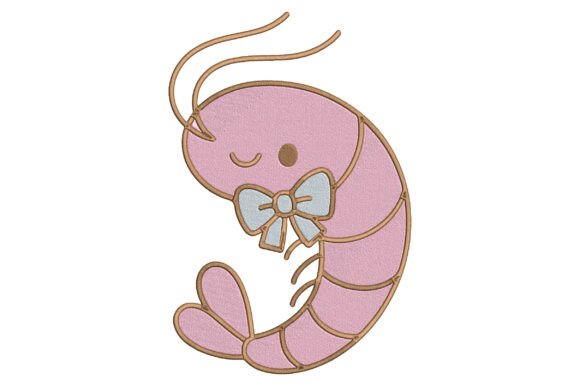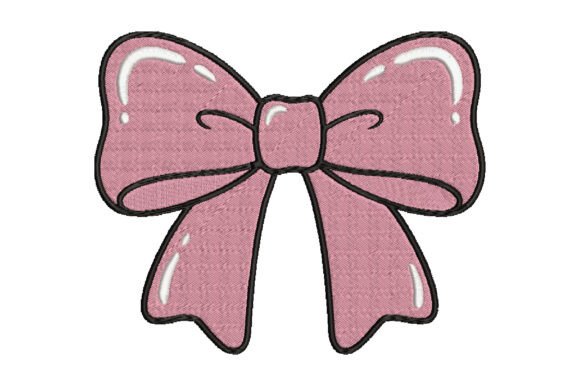
Pink Bow Embroidery Design
A Soft, Elegant Statement That Draws Eyes—Not Just at the Booth, But Online
As an embroidery designer who’s prepped over 200 craft fair booths and launched dozens of small shop products, my first impression of Pink Bow Embroidery Design is immediate: it’s soft without being saccharine, elegant without feeling stiff, and quietly confident—not loud, but noticeable. That’s gold for handmade markets. Customers scanning a crowded table don’t stop for “cute.” They pause for feeling—and this design delivers gentle charm with premium polish. It leans into romantic minimalism, not farmhouse rustic or playful cartoon. Think bridal shower gift tags, boutique aprons, or a single bow on a linen tea towel—not a cluster of bows on a toddler onesie.
Where It Shines (and Where It Doesn’t)
Tote bags: Perfect as a subtle accent near the handle or centered low on the front panel. At 3–4 inches wide, Pink Bow Embroidery Design reads clearly from three feet away—ideal for shoppers browsing while walking. Avoid placing it too high; the graceful curve loses impact near the strap.
Aprons and pillow covers: These are its strongest stage. On a crisp white or oatmeal linen apron, the pastel pink satin stitch pops with quiet luxury. Same goes for a neutral-toned pillow cover—no competing pattern needed. The smooth finish reads as intentional craftsmanship, not mass-produced.
Tea towels and market bags: Works beautifully on flat, tightly woven cotton or linen. The satin-like stitched finish catches light just enough to add dimension without glare. But beware: on textured terry cloth or heavily slubbed canvas, the delicate curves can blur. Always test on your exact fabric.
Caps and curved surfaces: Proceed with caution. The bow’s symmetry and smooth lines rely on even tension—and caps distort under hoop pressure. If you’re offering embroidered caps, use Pink Bow Embroidery Design only on structured front panels (not flexible mesh backs), and confirm your digitizer optimized for curvature.
Embroidered patches and pouches: A standout. At 2–2.5 inches, it scales down cleanly—no lost detail, no dense crowding. Ideal for iron-on or sew-on patches sold individually or bundled with kits. On small drawstring pouches or zippered cosmetic bags, it adds giftable elegance without overwhelming the item.
What Makes It Sell—Beyond Pretty
This isn’t just another embroidery file. As a craft fair product, Pink Bow Embroidery Design checks three critical boxes: clarity at a glance, versatility across price points, and photogenic consistency. Shoppers see it once and understand its tone—soft, refined, handmade. No decoding needed. That builds trust before they even touch your tote bag.
It photographs exceptionally well for Etsy seller listings. The pastel pink thread contrasts cleanly against ivory, charcoal, or sage—no harsh shadows, no blown-out highlights. Pair it with natural lighting and a linen backdrop, and your printable mockup will convert browsers into buyers. Bonus: because it’s a single focal motif (no text, no complex layers), it translates seamlessly across product types—meaning your booth tells one cohesive story, whether you’re selling aprons, patches, or pillow covers.
Production Reality Checks—Don’t Skip These
Before batching 50 tote bags, run these practical checks:
- Test on scrap fabric—especially if using dark thread on light fabric or vice versa. Pastel pink thread can fade visually on heather grey or navy unless contrast is dialed in.
- Review stitch density. Satin-stitched bows often pack tight stitches along the loops. If your machine struggles with dense areas or your stabilizer shifts, the finish won’t stay smooth. Use cutaway + tear-away combo for best results on lightweight cottons.
- Confirm hoop size and spacing. This design likely fits standard 4x4 hoops—but verify before hooping 30 tea towels. Also check that the bow’s proportions leave clean margins around edges (critical for patches and pouches).
- Compare fabric colors in person. That “pastel pink” looks different on bleached white vs. unbleached linen. Order physical swatches. Your customer’s perception of quality starts with color accuracy.
- Verify commercial licensing. As a digital embroidery file, Pink Bow Embroidery Design must explicitly permit resale of finished products. Never assume—check the license before labeling it a small shop product.
Why It Strengthens Your Brand—Not Just Your Booth
In a sea of bold fonts and busy florals, Pink Bow Embroidery Design whispers “thoughtful curation.” It signals attention to texture, restraint, and tactile quality—traits buyers associate with premium handmade product makers. When repeated across your line (e.g., bow on apron + matching patch + pillow cover), it builds visual rhythm and brand recognition without monotony. At craft fairs, that cohesion makes your table feel intentional—not like a grab bag of designs.
And for commercial embroidery sellers? It’s highly repeatable. No tiny lettering to misread, no fragile stems or micro-details that snag threads. It’s forgiving across skill levels—ideal for new embroiderers building confidence and seasoned pros scaling output.
Final Thought: Less Is Truly More Here
This isn’t a design that shouts. It’s one that lingers. In a marketplace where handmade means meaning, Pink Bow Embroidery Design earns its place by balancing delicacy with durability—both in stitch and in appeal. Use it to elevate, not decorate. Place it where quiet elegance stands out: on a gift-ready pouch, a chef’s apron, or a linen tea towel folded beside fresh lavender. That’s where customers pause, lean in, and say, “I want that feeling.” And that’s how craft fair sales begin.