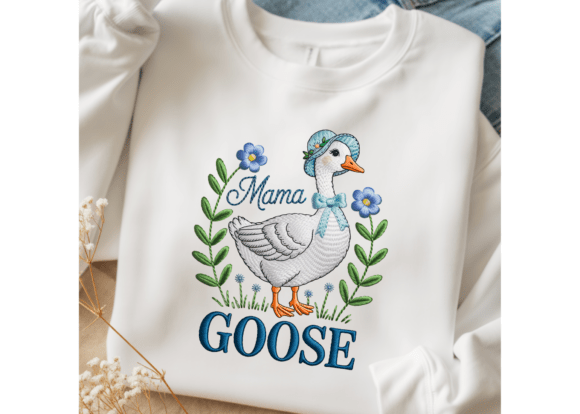
Machine Embroidery Texture Craft Style
A Practical Review for Small Business Merch & Branded Patches
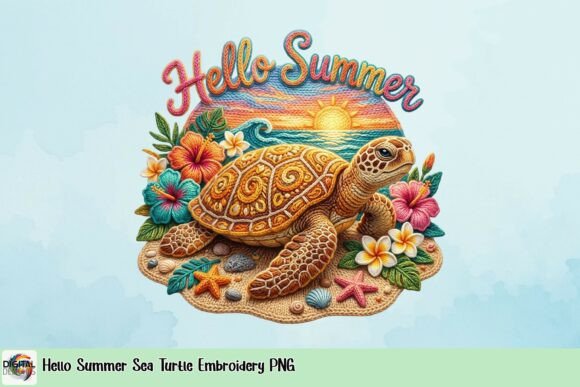
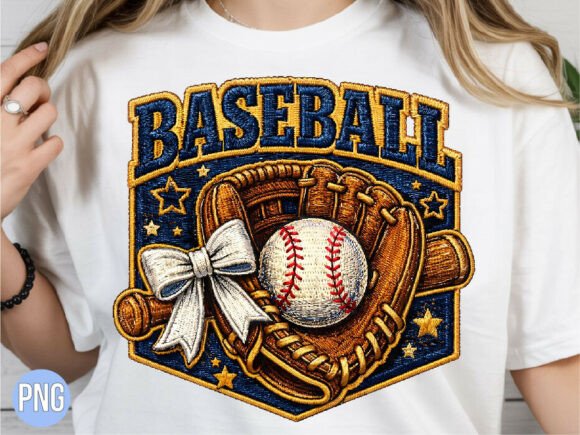
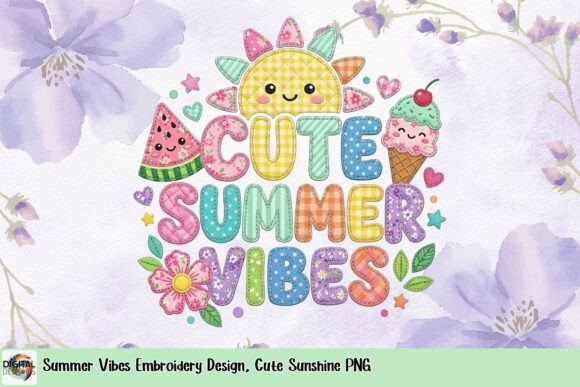
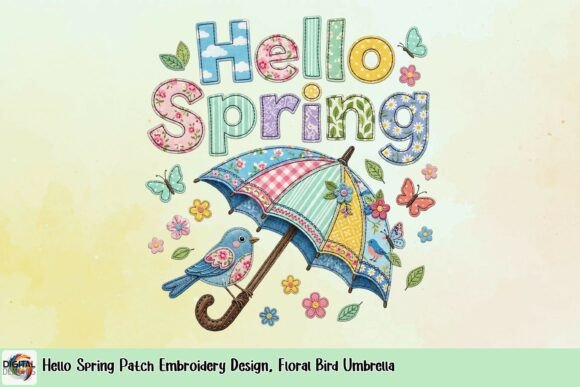
As an embroidery designer who’s digitized over 2,000 commercial projects—from café aprons to florist tote bags—I approached Machine Embroidery Texture Craft Style with both curiosity and caution. The title alone signals intention: it’s not just a graphic—it’s a texture, built to evoke the warmth of hand-stitched craft while holding up under machine production. For small business owners, Etsy sellers, and local brands investing in custom apparel or embroidered patches, first impressions matter—and this design lands as friendly, handmade, and intentionally imperfect. That’s a powerful combination when you’re building brand identity around authenticity.
Where It Shines in Real Business Applications
Machine Embroidery Texture Craft Style excels where “handmade” is part of the value proposition—not just aesthetic flair. Think bakery staff aprons with subtle chest logos, boutique tote bags carrying artisan goods, or pet brand embroidered patches sewn onto denim jackets sold at craft fairs. Its stitched-effect rendering reads as tactile and human-centered, reinforcing trust with customers who seek genuine craftsmanship.
- Embroidered patches: Works beautifully at 2.5"–3.5" sizes—ideal for iron-on or sew-on branding on sleeves, backpacks, or product packaging accents.
- Apron embroidery: Adds personality without overwhelming functional fabric; pairs well with natural cotton or linen textures.
- Cap embroidery: Best used on structured caps (not low-profile curved fronts) where stitch definition remains crisp.
- Tote bag design: Stands out on canvas or jute without competing with heavy grain—especially effective when paired with minimalist typography.
- Staff uniforms & work shirts: Gives a cohesive, approachable look across teams—more memorable than flat vector logos for creative studios or florists.
- Etsy branding & customer gifts: Elevates unboxing experiences when stitched onto fabric tags, gift pouches, or limited-run merch bundles.
Use With Intention—Not Everywhere
This isn’t a one-size-fits-all machine embroidery design. Its charm lies in its texture—but that same quality demands thoughtful placement. Avoid using Machine Embroidery Texture Craft Style on:
- Sub-2" patches: Fine detail may collapse or lose definition; test at actual size before bulk production.
- Cap fronts with aggressive curvature: Stitch density + fabric stretch can distort outlines unless digitized with underlay compensation.
- Dark uniforms with low-contrast thread colors: The “realistic stitched effect” relies on tonal variation—verify thread color contrast against base fabric.
- Frequent-wash items (e.g., restaurant aprons): High stitch density areas need proper stabilizer backing to prevent puckering or fraying over time.
- Textured or napped fabrics (like fleece or terry cloth): May mute the intended hand-stitched illusion—always test on real material, not just mockups.
How It Strengthens Brand Identity—Beyond Aesthetics
For small businesses competing on connection—not just convenience—Machine Embroidery Texture Craft Style supports visual storytelling. When your floral shop uses it on reusable totes, customers don’t just see a logo—they feel care, attention, and continuity between your in-store experience and physical products. That consistency builds recognition faster than generic clipart-style Graphics.
It also elevates perceived product value. A handmade soap brand using this design on embroidered labels or packaging accents signals premium positioning—without needing metallic thread or complex fills. And because it mimics handmade artistry, it subtly reassures buyers they’re supporting real people, not mass production. That emotional resonance directly impacts buyer engagement, repeat purchases, and organic social sharing.
What Every Embroidery Designer Checks Before Production
If you're sourcing this as a digital embroidery file—or commissioning digitization—here’s what I verify before sending to the hoop:
- Test in black and white first: Confirm legibility and balance without color distraction.
- Check minimum viable patch size: Does the core motif hold up at 2" wide? If not, simplify or re-digitize key elements.
- Review thread color contrast: Especially critical for small business merch where lighting varies (e.g., café walls vs. outdoor markets).
- Inspect spacing and underlay: Tight loops or overlapping stitches need clean separation to avoid nesting or thread breaks.
- Confirm hoop size compatibility: Ensure it fits standard hoops used across your shop or production partner’s setup.
- Test on real fabric: Not just cotton poplin—try it on your most common substrate (canvas, twill, performance knit).
- Use appropriate stabilizer: Tear-away works for stable weaves; cut-away or mesh blends better for stretch or texture.
- Create a printable mockup: Show clients how it will look *in context*—on their cap, apron, or tote—not floating on white.
- Compare beside existing design assets: Does it harmonize with your current logo, fonts, and brand palette—or clash?
- Confirm commercial licensing: Since this falls under T-Shirt Designs and Graphics categories, double-check usage rights for resale, client projects, and branded patch distribution.
Final Thought: A Strategic Asset, Not Just a Decoration
Machine Embroidery Texture Craft Style isn’t merely a t-shirt graphic—it’s a versatile, emotionally intelligent tool for small business merch. When applied thoughtfully, it bridges the gap between digital efficiency and human warmth. Whether you're a solo craftsperson listing on Etsy or a local embroidery shop advising a new bakery launch, this design delivers tangible ROI: stronger brand recall, higher perceived value, and merchandise that feels intentional—not incidental. Just remember: great embroidery starts with smart choices long before the needle drops.