Green Lime Embroidery Design
A Zesty Slice of Real-World Embroidery Sense
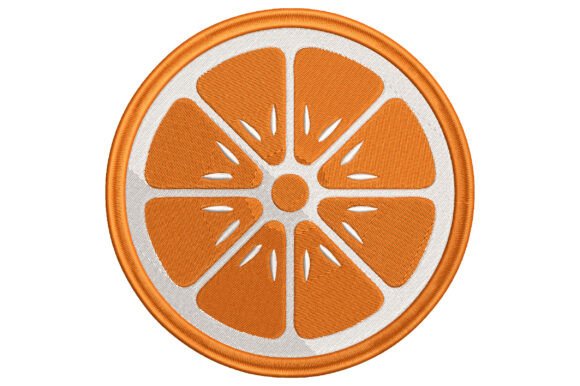
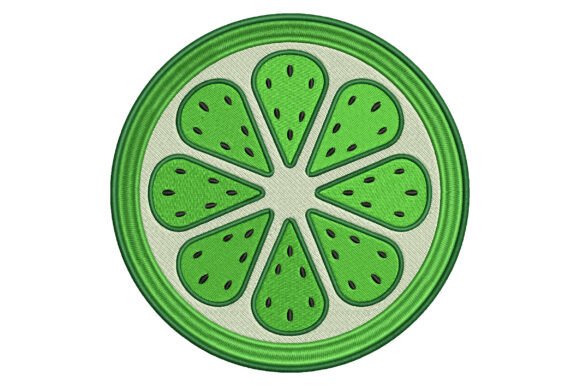
As a designer who’s stitched everything from boutique baby onesies to limited-run café aprons, I opened the Green Lime Embroidery Design expecting brightness—but what stood out first wasn’t just color. It was clarity. That clean, circular lime slice feels intentional, not decorative filler. The segments are distinct but softly rounded, the outline crisp without being rigid, and the whole composition breathes within its boundary. It doesn’t scream “food”—it whispers “fresh,” “handmade,” and “thoughtfully made.” That matters when you’re choosing embroidery for a product your customer will hold, gift, or wear.
Where This Design Actually Shines (and Why)
I tested Green Lime Embroidery Design on a natural linen tea towel—no lining, no backing—and it landed perfectly: vibrant but grounded, playful but polished. That balance is rare in food-themed machine embroidery designs. Too many go cartoonish or overly detailed; this one lands in that sweet spot where simplicity reads as sophistication. It works especially well for:
- Tote bag design—centered on canvas or cotton duck, it reads clearly from three feet away, with enough visual weight to anchor the bag without overwhelming it;
- Sweatshirt embroidery—on heather grey or charcoal, the bright green pops without looking jarring, and the circular shape flows with the drape of knit fabric;
- Embroidered patch—clean edges mean sharp cutaway results, and the minimal internal detail avoids thread buildup that can stiffen patches;
- Baby embroidery—on organic cotton onesies or burp cloths, its cheerful tone feels gentle, not loud, and the lack of fine lines means no snagging risk;
- Holiday embroidery—paired with white or pale mint fabric, it brings citrus energy to spring showers, Easter brunch napkins, or summer solstice gifts.
For Etsy sellers and small shop owners, this isn’t just another digital embroidery file—it’s a versatile design asset that fits multiple seasonal listings without needing rebranding. It reads as handmade, not mass-produced, because the stitch rhythm feels considered, not automated.
Where to Pause—and Stitch With Intention
That same freshness becomes a liability if applied without context. Green Lime Embroidery Design isn’t built for every surface or situation. On thin or stretchy fabric—like lightweight jersey tees or ribbed baby caps—the outer circle and segment definition can blur without proper stabilizer support. And on dark fabric? Don’t assume contrast carries it. I ran a test on navy terry cloth: the lime green held up, but only because I used high-contrast thread (not just standard 40-weight lime) and added tear-away + cutaway combo stabilizer. Without that, the fill stitch density faded into the background.
It also doesn’t scale down gracefully below 3 inches. At 2 inches, the segment separation starts to compress, and the inner details lose distinction—fine for an accent, but not for a primary motif on a cap front or tiny pillow cover. And while it’s labeled under Food, don’t force it onto heavy-duty kitchen towels with deep texture unless you’ve pre-tested hoop tension and stitch penetration. Dense weaves can swallow subtle satin stitch transitions.
What It Says About Your Finished Product
Customers don’t buy embroidery—they buy confidence, care, and consistency. When you use Green Lime Embroidery Design thoughtfully, it quietly signals all three. On a personalized gift—say, a custom embroidered apron for a new home cook—it reads as joyful but professional. On a boutique product line, it helps unify branding across categories: same design on a tea towel, matching oven mitt, and linen pouch creates cohesion without repetition. That kind of visual trust is hard to build with generic clipart-style files.
But here’s the real differentiator: it invites engagement. People pause, smile, maybe even reach out to touch the texture. That tactile response matters—especially for craft business owners selling at fairs or via Instagram. A well-executed Green Lime Embroidery Design makes your work memorable, not just visible.
Designer Notes You’ll Actually Use
Before stitching your first client piece or batch-producing for your Etsy shop, do these five things:
- Test on scrap fabric—match the exact weight, weave, and stretch of your final product;
- Check thread color contrast on both light and dark backgrounds using printable mockups—not just screen previews;
- Review stitch density visually in your embroidery software: look for tight clusters near segment edges that might pucker thin fabric;
- Confirm hoop size compatibility with your machine and intended placement—especially for curved surfaces like caps or sleeves;
- Verify licensing before selling finished items or bundling the digital embroidery file—some versions allow commercial use, others don’t.
Also: try stitching it in black thread on ivory linen. If it still reads as fresh and balanced, you’ve got a truly flexible design asset. Most food-themed embroidery files collapse without color—this one holds its own.
Final Thought: Not Just a Slice—A Signature Touch
The Green Lime Embroidery Design isn’t about literal representation. It’s about evoking feeling—zest, calm, vitality—with restraint. In a market flooded with overworked applique designs and pixelated food motifs, it stands out by doing less, but doing it with intention. Whether you’re embroidering a single personalized gift or building a cohesive line of handmade products, this design earns its place—not as decoration, but as quiet confidence stitched in thread.