Decorative Leaf Circle Embroidery Design
A Seasonal Designer’s First Impression
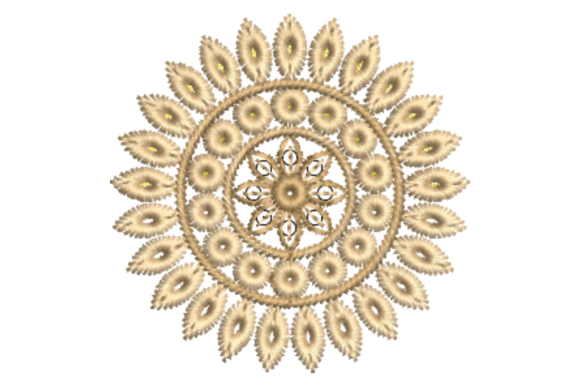
The moment I opened the Decorative Leaf Circle Embroidery Design, I felt that quiet, grounded warmth—like stepping into a sunlit garden in early autumn. It’s not overtly festive, but deeply seasonal: elegant, organic, and quietly celebratory. The circular composition feels intentional—not just decorative, but symbolic—evoking unity, cycles, and gentle renewal. This isn’t a loud holiday motif; it’s a refined botanical whisper perfect for fall weddings, Thanksgiving table linens, winter solstice gifts, or spring equinox collections. Its mood is cozy yet premium, romantic without being fussy, rustic without sacrificing polish. As an embroidery designer who builds cohesive seasonal lines, I immediately saw how this design bridges transitions—between holidays, generations, and home spaces.
Where It Shines: Real Holiday Product Applications
This Decorative Leaf Circle Embroidery Design thrives where subtlety meets sentiment. On heavyweight cotton sweatshirts, it anchors family matching sets with quiet sophistication—no glitter, no slogans, just shared elegance. For Etsy sellers, it’s a standout in “minimalist holiday” listings: imagine it stitched on oatmeal-toned tote bags beside hand-poured soy candles or dried floral bundles. On kitchen towels? Instant heirloom energy—especially when paired with linen napkins and wooden spoons in styled flat lays. Pillow covers and embroidered patches gain instant giftability; stitch it onto a cream-colored pillow cover, and it reads as both modern and timeless—a keepsake, not a trend.
For craft fairs and pop-up shops, this design performs beautifully in product mockups: a printable mockup of the Decorative Leaf Circle Embroidery Design on a ceramic ornament or a velvet pouch signals intentionality to shoppers scanning quickly. It also layers well in gift bundles—think a set of three: embroidered tea towel, patch, and baby onesie—unified by the same leaf motif. Social media previews shine too: slow-motion video of thread catching light as the circle forms invites pause and engagement during crowded holiday feeds.
Careful Considerations: Where to Use Thoughtfully
While versatile, the Decorative Leaf Circle Embroidery Design demands thoughtful placement. Its flowing botanical details rely on clean curves—so avoid tight hoop sizes under 4x4 inches unless you’ve confirmed the file scales gracefully. On thick terry cloth kitchen towels or heavy canvas totes, test stitch density first: overly dense stitching can stiffen fabric and mute the softness of the leaves. Dark fabrics require careful thread color selection—deep forest greens or charcoal grays read richly, but pale golds may vanish without underlay or proper stabilizer.
Stretchy knits (like lightweight sweatshirts or baby bodysuits) need cutaway stabilizer and reduced top tension to prevent puckering around the circle’s outer edge. Curved surfaces—like baseball caps or mugs with embroidery wraps—risk distortion; stick to flat or gently contoured items like aprons or table runners. And while metallic thread adds luxury, it increases breakage risk in fine leaf veins—reserve it for small-batch, high-value pieces where hand-finishing is part of the brand promise.
How It Elevates Seasonal Appeal & Buyer Trust
In holiday shopping, emotion drives decision-making—and the Decorative Leaf Circle Embroidery Design taps into nostalgia, calm, and quiet celebration. It signals care: not mass-produced, but chosen, composed, and stitched with attention. That builds trust, especially for handmade gift buyers seeking authenticity over flash. Visually, its circular symmetry creates instant recognition—ideal for small shop branding. Repeat customers begin to associate the leaf circle with your shop’s seasonal drops, strengthening brand consistency across sweatshirt embroidery, pillow cover collections, and limited-edition ornaments.
Giftability rises because it’s inherently personalizable: add a monogram inside the circle, stitch it alongside a date on a baby blanket, or pair it with a handwritten tag reading “Gather Well.” Unlike trend-driven motifs, it avoids dating your inventory—this design works for Thanksgiving, Hanukkah, Winter Solstice, and even Easter with simple palette shifts. That longevity means less seasonal redesign fatigue for small business owners and better ROI on your digital embroidery file investment.
Practical Designer Notes for Holiday Production
- Test thread colors on both light and dark fabric—especially for gradients in the leaf veins. What reads as subtle olive on ivory may disappear on navy without contrast testing.
- Confirm stitch density before bulk production. High-density files look lush on mockups but can overwhelm delicate fabrics or increase embroidery time/cost unexpectedly.
- Verify hoop size compatibility with your machine and common projects—e.g., 5x7" is ideal for pillow covers and medium totes; smaller hoops suit patches and baby items.
- Use appropriate stabilizer: cutaway for knits, tear-away for stable wovens, and water-soluble for sheer overlays or lace-backed designs.
- Create realistic mockups—not just white-background PNGs, but lifestyle shots on actual fabric swatches, showing drape and texture.
- Review small details post-stitch: check leaf tips and inner curves for skipped stitches or thread nesting, especially after washing tests.
- Plan cohesive color palettes across your seasonal line—e.g., sage + cream + terracotta for fall, or silver + slate + ivory for winter.
- Confirm commercial licensing before selling finished products. As a small shop owner, you need clarity: does this machine embroidery design allow resale of embroidered goods? Always verify before launching holiday inventory.
Final Thought: A Quiet Anchor for Your Seasonal Line
The Decorative Leaf Circle Embroidery Design won’t shout—but it will resonate. In a market flooded with bold slogans and glittery graphics, its botanical harmony offers relief, meaning, and quiet luxury. Whether you’re an Etsy seller curating handmade gift bundles, an apparel decorator building family matching collections, or a craft fair vendor designing for real homes and real moments, this design earns its place—not as filler, but as foundation. It belongs in your Single Flowers category not because it’s literal, but because it captures the essence of growth, connection, and seasonal grace. As an embroidery designer, I don’t just add it to my holiday collection—I build around it.